Vegan and Vegetarian Sushi Restaurants in Edinburgh
Edinburgh's sushi scene has expanded well beyond fish. Most restaurants serving dedicated sushi menus now offer clearly labelled vegan or plant-based rolls alongside their standard menu, and a handful go further with entirely separate vegan sections. Whether you avoid animal products entirely or simply prefer vegetables in your maki, there are reliable options across the city.
What Makes a Sushi Restaurant Good for Vegans
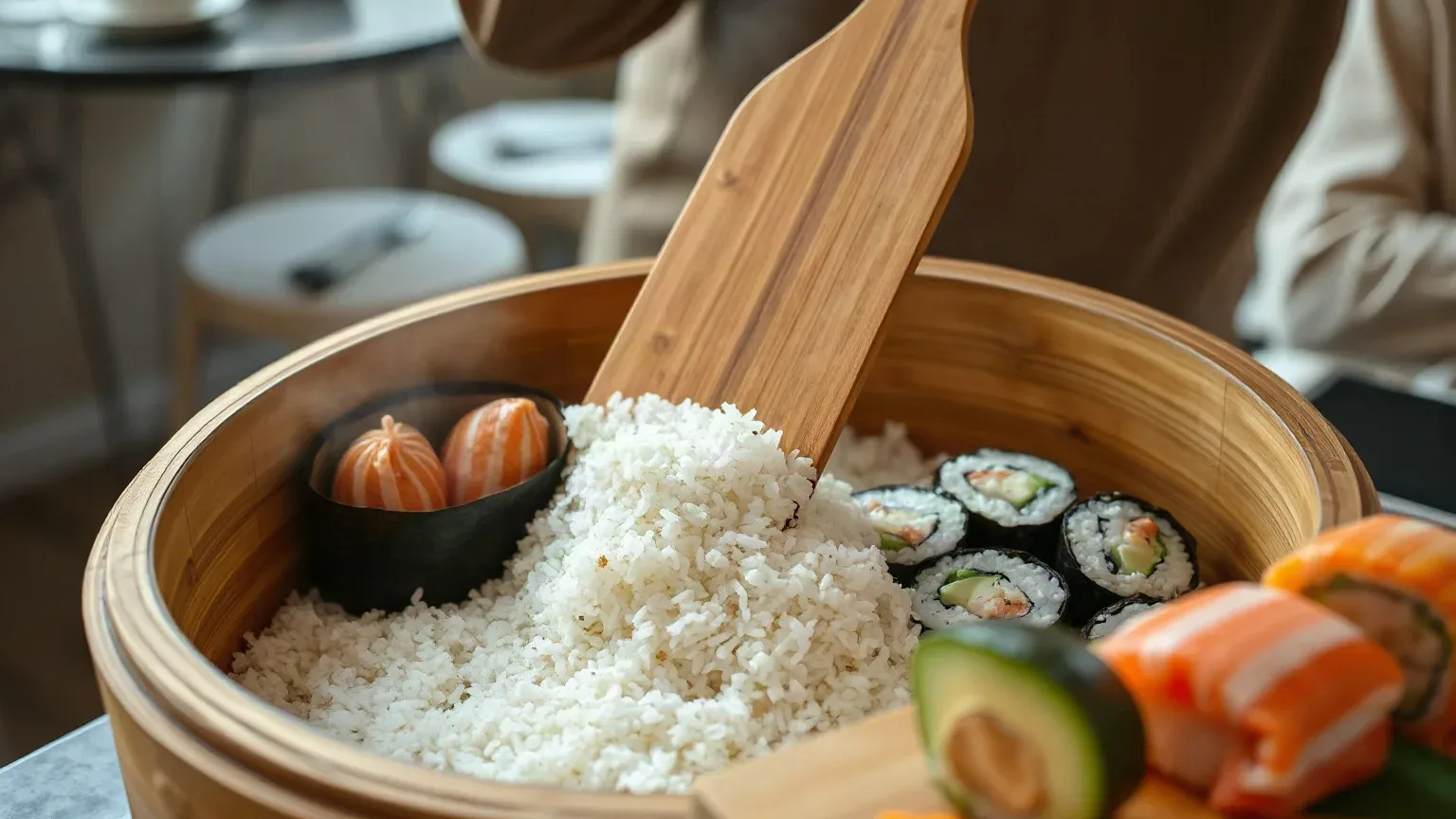
A strong plant-based sushi menu does more than swap salmon for cucumber. Look for restaurants that offer a range of fillings: avocado, pickled daikon, sweet potato tempura, inari tofu pouches, and edamame-based rolls all signal a kitchen that has genuinely thought about plant-based eating. Sauces matter too. Many standard sauces contain fish-based dashi or bonito flakes, so ask whether the kitchen uses vegan-friendly soy or miso preparations.
Allergen labelling is a practical test of how seriously a venue takes dietary requirements. Edinburgh venues that clearly mark vegan items on printed or digital menus tend to handle cross-contamination queries more confidently. If the menu just says "vegetable roll" without further detail, it is always worth asking what goes into the rice vinegar seasoning and whether the same grill is used for fish.
Vegan Sushi Options Edinburgh - What the City Offers
Edinburgh has between 30 and 50 venues serving dedicated sushi menus, and most include dedicated vegan or plant-based options. The concentration is highest in the city centre, particularly around the New Town, Leith Walk, and the Old Town. A smaller number of specialist venues treat plant-based sushi as a core part of their identity rather than an afterthought.
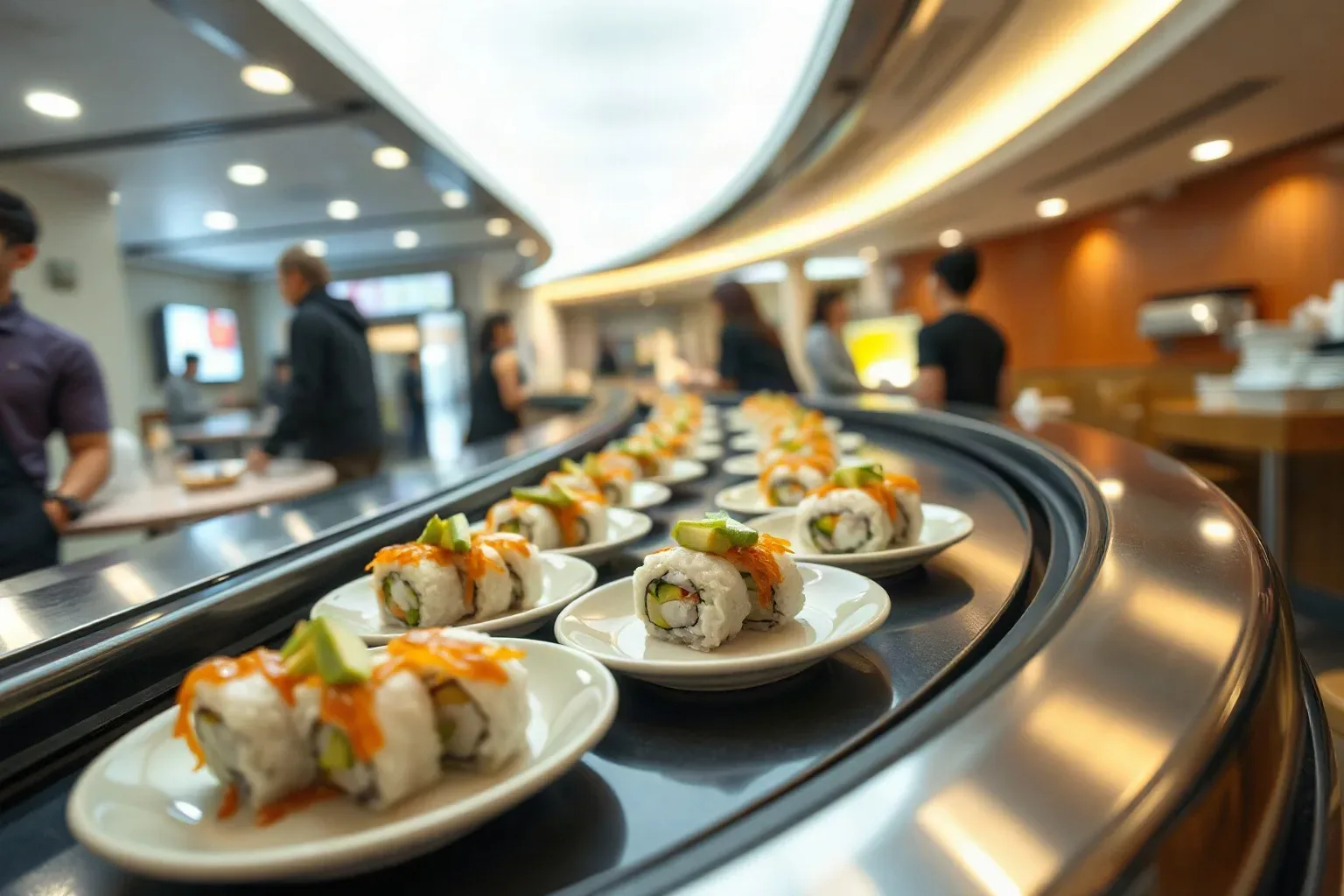
Conveyor belt sushi, also known as kaiten-zushi, can work well for plant-based diners because individual plates are clearly visible and often labelled by colour or number. Some Edinburgh kaiten-zushi venues mark vegan plates with a separate symbol. This format also lets you pick and choose without committing to a set menu.
All-you-can-eat (AYCE) sushi venues in Edinburgh can be excellent value for plant-based diners, provided the restaurant has a solid vegan section on its order sheet. Prices typically run £18–£30 per person. At that price point, a wide range of avocado, cucumber, pickled vegetable, and tofu rolls adds up to a satisfying meal without needing to check every dish for hidden fish stock.
Omakase and Tasting Menus - Can Vegans Join
Some Edinburgh omakase restaurants will adapt their chef's choice tasting menu for plant-based guests, but you must notify the venue well in advance. Omakase, meaning chef's choice tasting menu, is built around the chef's discretion. A skilled chef can create a compelling plant-based progression through seasonal vegetables, pickles, tofu, and egg-free preparations, but they need notice to source the right ingredients.
Expect to pay £60–£120 per person for an omakase experience. At that price, it is entirely reasonable to ask detailed questions about which courses can be adapted and whether the rice is seasoned with vegan-friendly ingredients. Venues that take the format seriously will usually have a clear answer.
Finding Vegan Sushi for Delivery in Edinburgh
Delivery is a practical option if you are hosting at home or simply prefer to eat in. Between three and five major platforms operate across Edinburgh, including Deliveroo, Uber Eats, and Just Eat, and most list dietary filters that let you sort for vegan dishes. Filter by vegan and then check individual restaurant menus rather than relying on the filter alone, since labelling accuracy varies.
Minimum orders typically sit at £15–£25 before the delivery fee, which usually adds £1.99–£3.99 for central Edinburgh postcodes. Delivery zones for most Edinburgh sushi restaurants extend roughly 2–5 miles from the kitchen, so venues in Leith or Morningside may not reach every part of the city. Last orders for late-night delivery generally close between 10 pm and midnight depending on the venue.
Meal kits are an alternative worth considering. Several Edinburgh-area operators sell sushi kits for two at £30–£60 per kit, with pre-portioned ingredients and an instruction sheet. Plant-based versions typically include seasoned sushi rice, nori sheets, avocado, cucumber, pickled ginger, and sometimes a tofu or tempeh filler. They are a good option if you want to control exactly what goes into each roll.
Vegetarian Versus Vegan - Key Differences to Check
Many sushi menus label dishes as vegetarian when they still contain egg, dairy-based sauces, or fish-derived stock in the rice. A restaurant that marks items as vegetarian is not automatically confirming they are vegan. The most common hidden animal products in otherwise plant-looking sushi are: dashi broth in the rice seasoning, mayonnaise in vegetable rolls, and egg in tamago-adjacent preparations.
Asking two direct questions usually resolves any uncertainty quickly. First, ask whether the sushi rice is seasoned with fish-based ingredients. Second, ask whether the kitchen can confirm the sauces served alongside are free from fish or egg derivatives. Confident venues answer quickly.
If the front-of-house staff need to check with the kitchen, that is a reasonable sign they take the question seriously.
Sushi Classes for Vegan and Vegetarian Participants
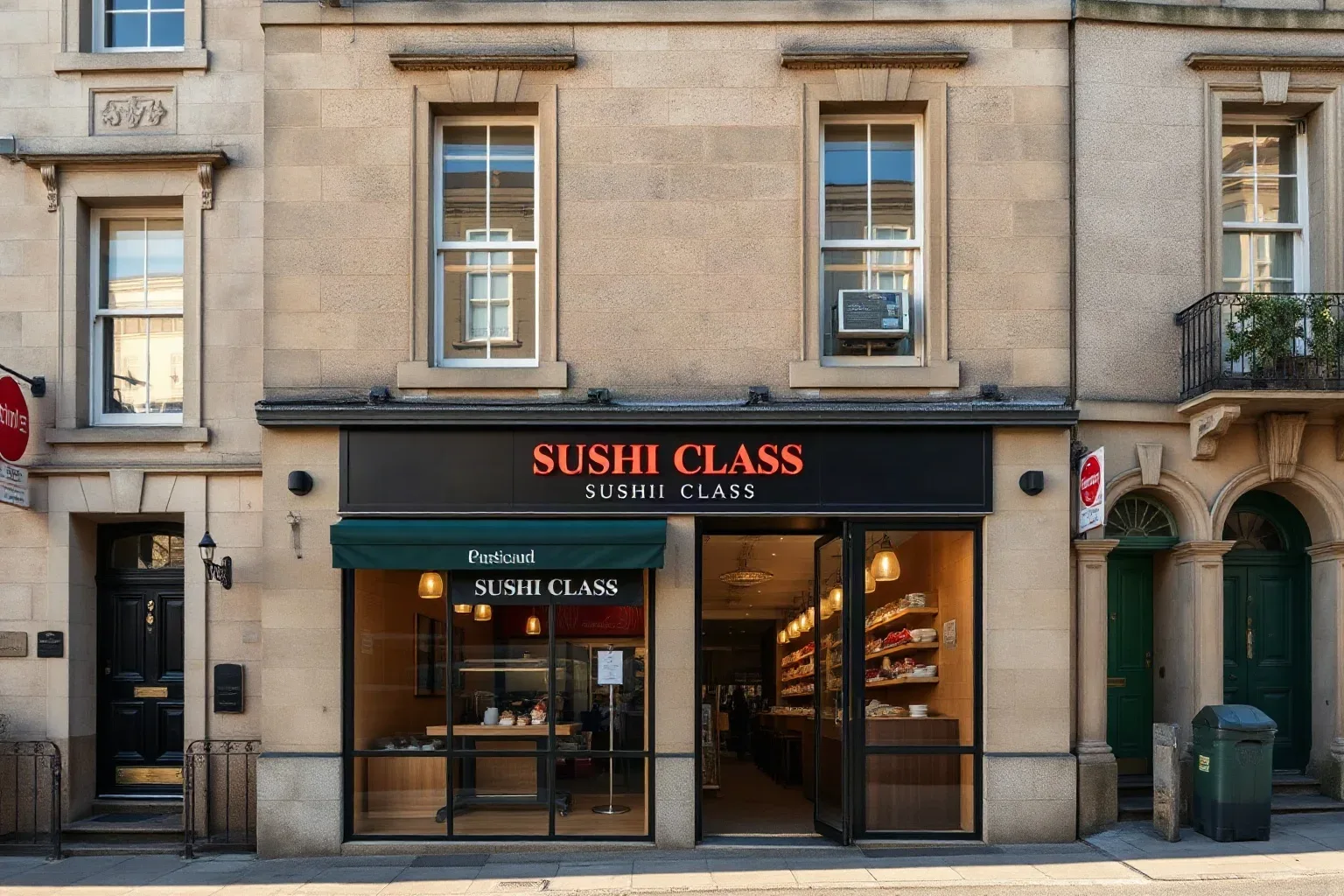
Learning to make your own rolls is a reliable way to guarantee plant-based content. Edinburgh sushi making classes run for roughly 2–3 hours and typically cost £45–£75 per person for a shared public session. Private group bookings, such as hen parties or work socials, usually run £55–£90 per person with a minimum group size.
Most class formats focus on technique: rolling, slicing, and presentation. Fillings are often interchangeable, so instructors led by professionally trained or Japanese-cuisine-experienced chefs can usually accommodate a fully plant-based session on request. Book early and mention your dietary requirements at the time of booking rather than on the day. This gives the instructor time to prepare the right ingredients rather than substituting on the spot.
Frequently Asked Questions
What Vegan Sushi Options Are Available in Edinburgh?
Most of Edinburgh's 30–50 dedicated sushi venues offer clearly labelled vegan rolls such as avocado maki, cucumber rolls, sweet potato tempura, and inari tofu. Some restaurants include entirely separate plant-based sections on their menus. Conveyor belt sushi venues and all-you-can-eat restaurants that cost £18–£30 per person can be particularly good value for plant-based diners.
Is Vegan Sushi Available for Delivery in Edinburgh?
Yes. Between three and five major delivery platforms operate in Edinburgh, including Deliveroo, Uber Eats, and Just Eat. Use the vegan filter on the app, then double-check individual restaurant menus for accuracy. Minimum orders are typically £15–£25 with a delivery fee of £1.99–£3.99, and most venues deliver within a 2–5 mile radius of the kitchen.
How Do I Know If a Sushi Restaurant's Vegetarian Rolls Are Actually Vegan?
Vegetarian labelling does not always mean vegan. The most common hidden animal products are fish-based dashi in the rice seasoning, egg in sauces, and mayonnaise in rolled fillings. Ask the restaurant directly whether their sushi rice is seasoned with fish-based ingredients and whether accompanying sauces are egg- and fish-free.
Can I Do an Omakase Tasting Menu as a Vegan in Edinburgh?
Some Edinburgh restaurants will adapt their omakase, the chef's choice tasting menu, for plant-based guests. You need to notify the venue well in advance so the chef can source appropriate ingredients. Prices typically run £60–£120 per person, and it is reasonable to ask which courses can be adapted and how the rice is prepared.
Are There Sushi Making Classes in Edinburgh Suitable for Vegans?
Yes. Most Edinburgh sushi making classes last 2–3 hours and cost £45–£75 per person for a shared session, or £55–£90 per person for a private group booking. Instructors experienced in Japanese cuisine can usually substitute plant-based fillings throughout the session. Mention your dietary requirements when booking so the right ingredients are prepared in advance.