Japanese Cooking Classes in Edinburgh Beyond Sushi
Sushi gets most of the attention, but Japanese cuisine runs far deeper. A single bowl of tonkotsu ramen involves a 12-hour pork bone broth, precise noodle alkalinity, and a soft-boiled egg marinated for exactly the right amount of time. Edinburgh's growing food-education scene now reflects this complexity, with hands-on courses covering ramen, tempura, gyoza, miso, and more.
What a Japanese Cooking Class in Edinburgh Actually Covers
Most introductory Japanese cookery courses in Edinburgh open with knife skills and dashi, the foundational stock made from kombu seaweed and katsuobushi (dried bonito flakes). That single stock underpins miso soup, noodle broths, and simmered dishes, so understanding it early pays dividends across every other technique. From there, sessions branch depending on the theme.
A ramen-focused class typically breaks the session into three parts: building the broth, preparing the tare (concentrated seasoning), and assembling toppings such as chashu pork, nori, and seasoned bamboo shoots. Tempura classes concentrate on batter temperature and oil management, because the difference between crisp and greasy comes down to keeping the batter ice-cold while the oil sits at exactly 170–180°C. Gyoza workshops cover both the folding technique and the two-stage cook, first pan-frying for a crisp base, then steaming under a lid to cook the filling through.
What Types of Japanese Cooking Classes Are Available in Edinburgh
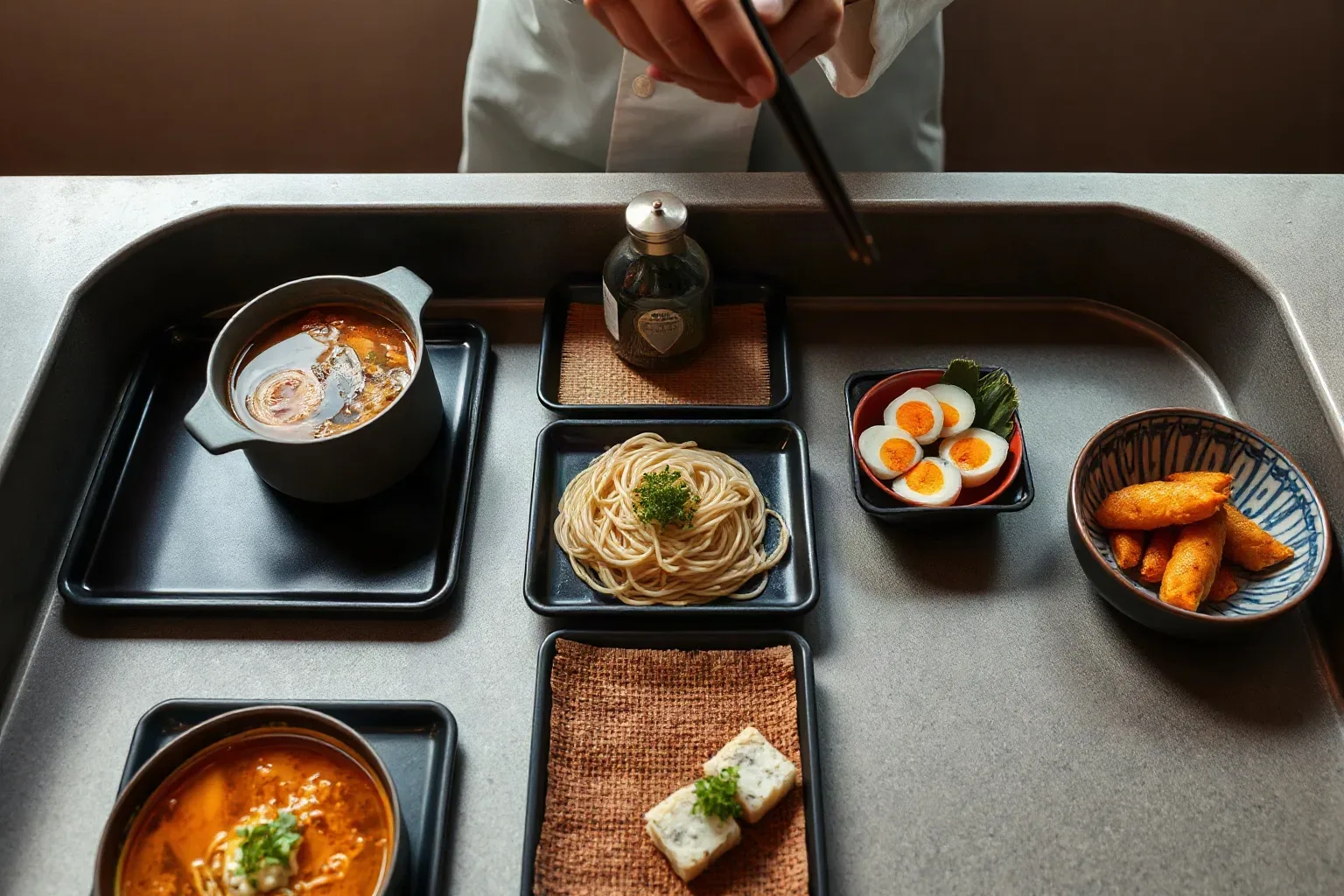
Edinburgh venues offer classes across several Japanese cooking styles, from ramen and tempura to bento assembly and fermentation basics. Most public workshops run for 2–3 hours and sit within the £45–£75 per person range. Private group bookings, popular for corporate team-building or hen parties, typically cost £55–£90 per person, with instructors adjusting the menu to suit the group's interests.
Ramen and Noodle Classes
Ramen is arguably the most technically rewarding subject in Japanese home cooking. A dedicated class usually allocates significant time to the broth alone, whether it is a shoyu (soy-based), shio (salt), or miso variant. Participants leave with the understanding that ramen is a modular dish, where each component can be prepared separately and stored, making it practical for a home cook.
Udon classes take a different angle. Kneading the thick wheat dough by foot is a traditional technique that Edinburgh instructors sometimes introduce as a memorable group activity. The resulting noodles are served in a simple dashi broth, which reinforces skills introduced earlier in the session.
Tempura and Frying Techniques
Tempura batter is notoriously unforgiving. The recipe contains only flour, cold water, and sometimes a single egg yolk, but every step matters: water straight from the fridge, minimal stirring to keep gluten development low, and immediate frying. An Edinburgh class covering tempura usually works through seasonal vegetables first, then moves to prawns, letting students adjust their technique before handling the more expensive ingredient.
The wider lesson is oil management. Understanding how moisture escapes a piece of food during frying, creating the lightness associated with good tempura, transfers directly to tonkatsu (breaded pork cutlet) and karaage (Japanese fried chicken), two dishes instructors often introduce as natural follow-ons.
Gyoza and Dumpling Folding
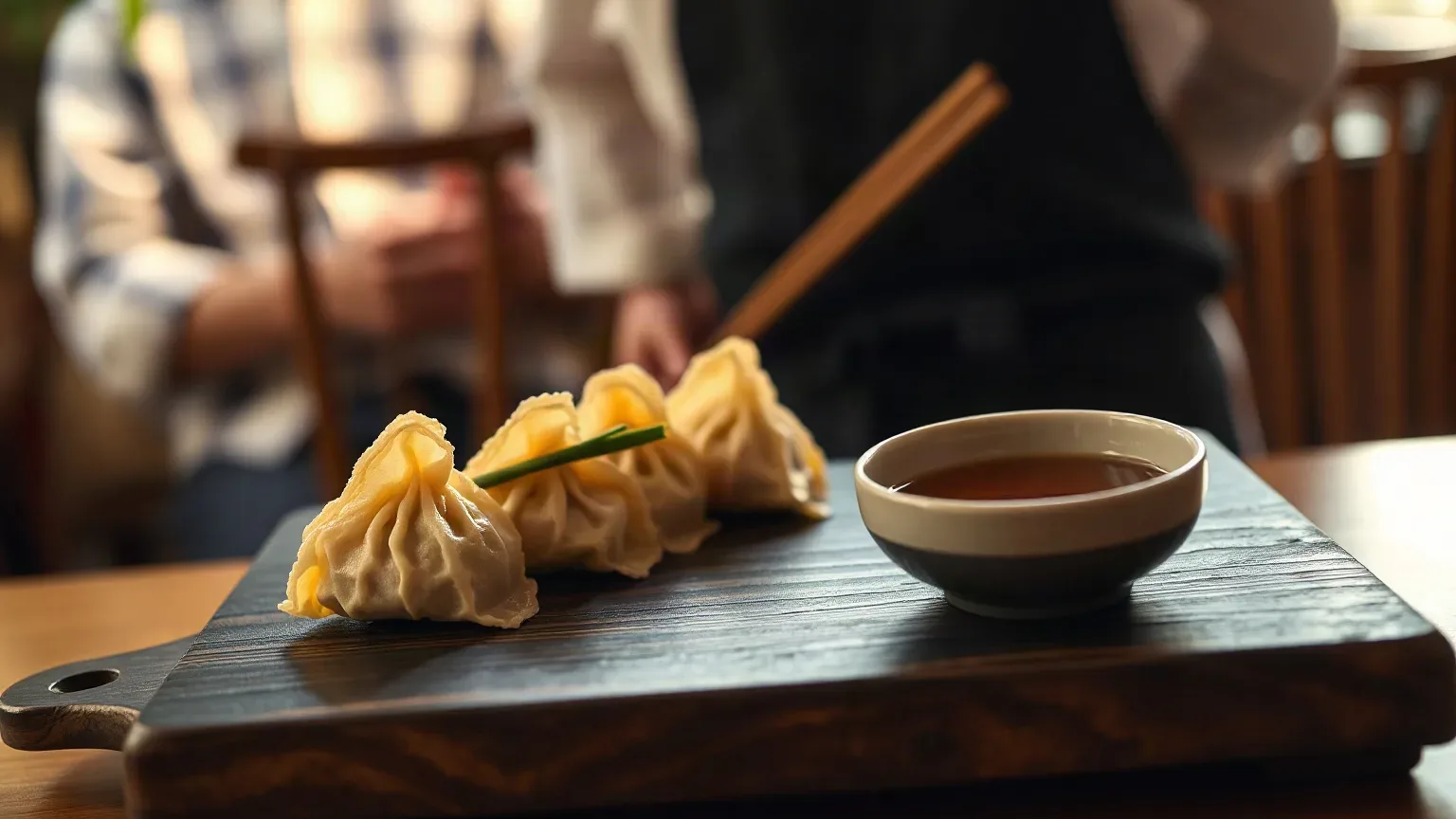
Gyoza workshops are consistently popular in Edinburgh because folding dumplings is a social activity. Groups of eight to twelve people tend to work through the filling preparation together, combining minced pork, cabbage, garlic, ginger, and sesame oil, before each person folds their own batch. A standard session produces around 10–15 gyoza per participant, which are cooked and eaten at the table.
Variations on the theme include age-gyoza (deep-fried), sui-gyoza (boiled and served in broth), and fully plant-based fillings using mushroom and tofu. Many Edinburgh instructors offer at least one vegan filling option as standard, reflecting the demand they see from mixed-ability groups.
Japanese Fermentation and Pantry Classes
A smaller but growing category covers the Japanese pantry itself: miso, tsukemono (pickles), and shio koji (a salt-and-koji grain paste used to cure fish and tenderise meat). These sessions appeal to home cooks who already have some experience and want to understand the ingredients behind the dishes rather than just the recipes.
A basic miso-making workshop guides participants through combining cooked soybeans, salt, and koji culture, then packing the paste into a jar to ferment over several months. The jar goes home with the participant. It is a slow process, but the hands-on element takes only an hour or two, fitting neatly into a wider day of Japanese cooking.
How to Find a Japanese Cooking Class in Edinburgh
Searching specifically for a Japanese cooking class in Edinburgh returns both dedicated cookery schools and independent chefs who hire kitchen space for one-off events. Classes led by professionally trained or Japanese-cuisine-experienced chefs appear across community kitchen venues, pop-up event spaces, and established cookery schools in the city centre. Checking whether the instructor has direct experience with Japanese cuisine, through training in Japan or years working in a Japanese restaurant, is worth doing before booking.
Course listings appear on the venues' own websites, but also on class-aggregator platforms that allow filtering by cuisine type and date. Public sessions run most frequently on weekend afternoons, while weekday evening slots are common for corporate group bookings. Availability shifts through the year, with December and January showing the highest demand for private group formats.
What to Expect from the Practical Elements
A well-structured Japanese cooking class in Edinburgh provides all ingredients, equipment, and printed recipe cards. Students take the recipes home, along with any finished food not eaten during the tasting portion of the session. Some instructors also supply a short list of Edinburgh suppliers where students can source specialist items such as kombu, mirin, and shichimi togarashi after the class.
Group sizes generally run between 6 and 14 participants for public sessions. Smaller groups give more direct feedback time with the instructor; larger groups create a livelier atmosphere that suits the social element of dishes like gyoza. If cooking in a small group matters to you, confirm maximum numbers before booking.
Beyond the Class - Building a Japanese Cooking Practice at Home
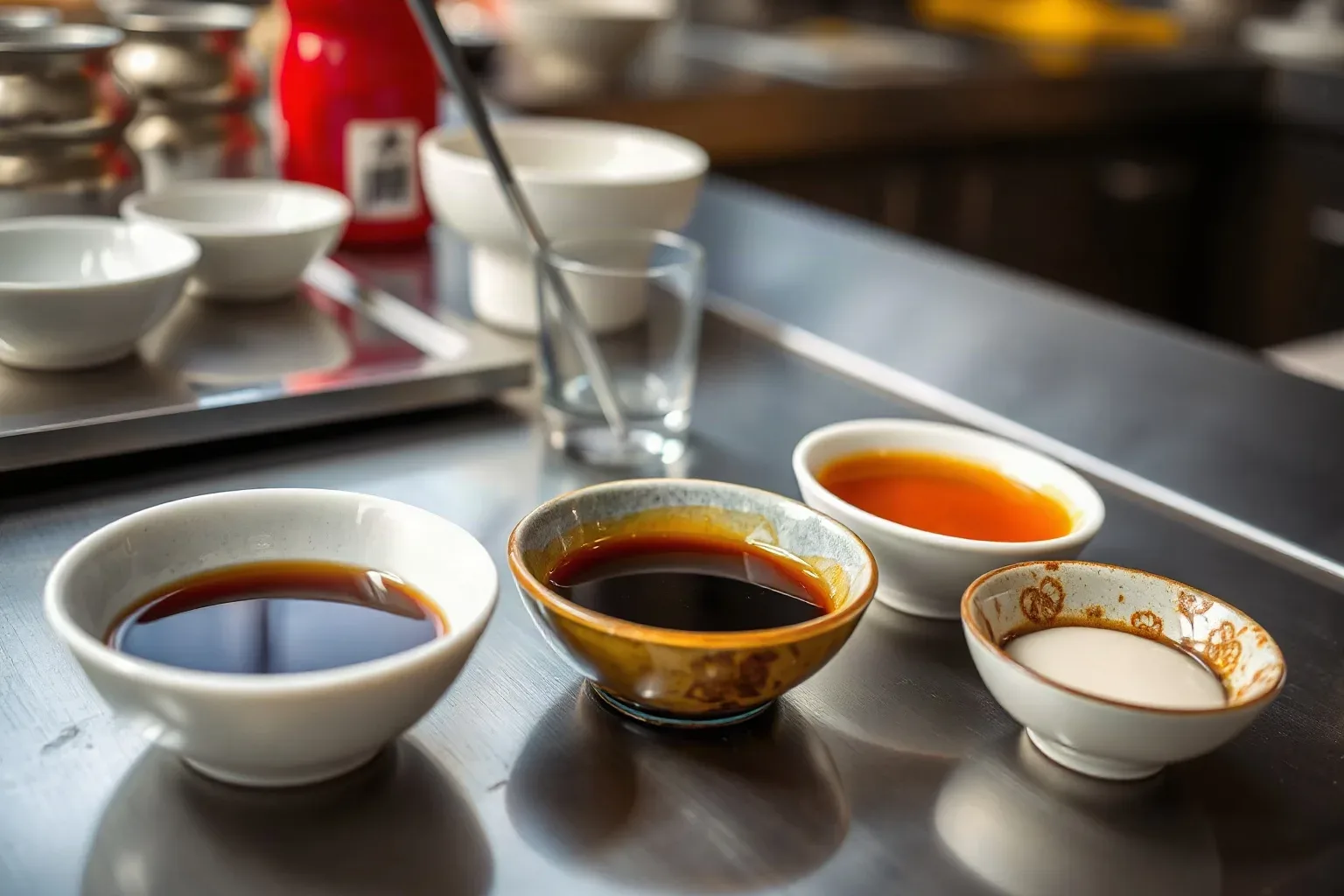
The most practical outcome of any good class is a working pantry. Japanese cooking relies on a relatively short list of staples: soy sauce, mirin, sake, dashi stock, white and brown miso paste, rice vinegar, and sesame oil. With those seven items, most of the dishes covered in Edinburgh courses become replicable at home without specialist shopping.
Instructors often suggest starting with a single technique and making it ten times before adding a new one. Someone who cooks gyoza eight to ten times in a month will develop the folding speed and pan-feel that turns a fiddly dish into a reliable weeknight option. Japanese home cooking rewards repetition more than most other cuisines, because the techniques are precise but the ingredient lists are short.
Frequently Asked Questions
Japanese Cooking Classes Edinburgh
Edinburgh offers Japanese cooking classes covering a wide range of styles beyond sushi, including ramen, tempura, gyoza folding, and fermentation workshops. Public sessions typically run for 2–3 hours and cost £45–£75 per person, while private group bookings usually cost £55–£90 per person. Classes are led by professionally trained or Japanese-cuisine-experienced chefs and are available through dedicated cookery schools, independent instructors, and class-aggregator platforms.
What Japanese Dishes Can I Learn to Cook in Edinburgh Besides Sushi?
Edinburgh Japanese cooking classes frequently cover ramen (including broth-building and tare preparation), tempura, gyoza, udon noodles, tonkatsu, karaage, miso soup, and fermented pantry staples like tsukemono and shio koji. The range depends on the instructor and the session format, so checking the course description before booking ensures it matches what you want to learn.
How Much Does a Japanese Cooking Class in Edinburgh Cost?
Public or shared Japanese cooking workshops in Edinburgh typically cost £45–£75 per person for a session of around 2–3 hours. Private group bookings, such as hen parties or corporate team-building events, usually run £55–£90 per person, with a minimum group size that varies by venue. All ingredients and equipment are generally included in the price.
Are Japanese Cooking Classes in Edinburgh Suitable for Complete Beginners?
Most public Japanese cooking classes in Edinburgh are designed for beginners and require no prior experience. Instructors typically start with foundational techniques such as making dashi stock or basic knife skills before moving on to the session's main dish. Recipe cards are provided to take home, making it straightforward to recreate the dishes after the class.
Can I Book a Private Japanese Cooking Class in Edinburgh for a Group?
Yes, private Japanese cooking class bookings are available in Edinburgh for groups such as hen parties, birthday celebrations, and corporate team-building events. Private sessions cost approximately £55–£90 per person and allow the group to choose or influence the menu. Minimum group sizes typically apply, so it is worth contacting the venue directly to confirm availability and requirements.