Corporate Sushi Making Team Building in Edinburgh
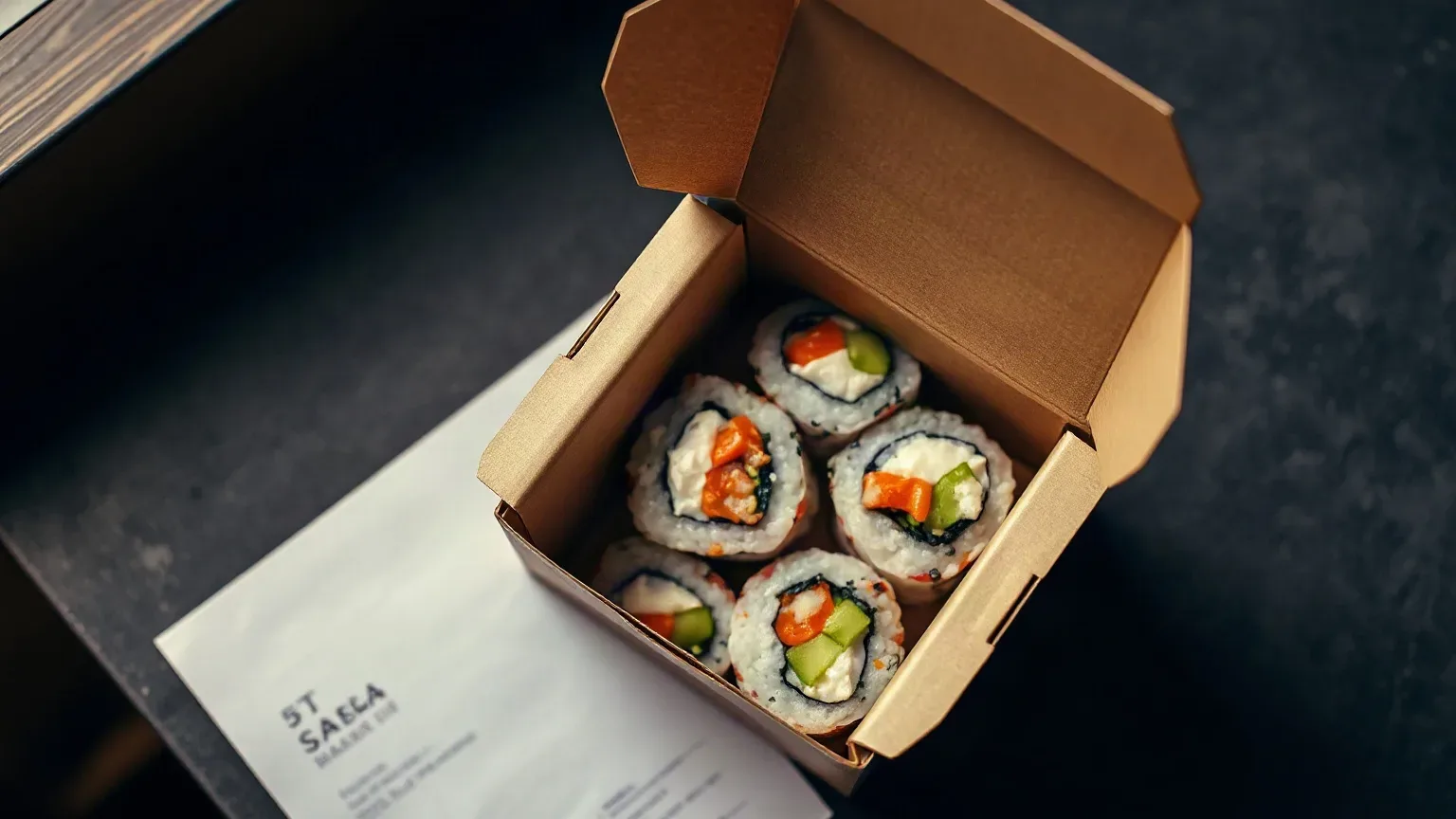
Why Sushi Works as a Team Build
A sushi-making session puts every participant on equal footing. Nobody arrives with a professional advantage, so the quieter members of a team often shine as their knife skills or rolling technique impresses colleagues who outrank them in the office. That levelling effect is genuinely useful for cross-departmental groups or newly formed project teams.
The format is hands-on from the first minute. Participants prep ingredients, season rice, and assemble maki or nigiri under guidance, then eat what they've made together. The social payoff is built into the activity itself, without needing structured icebreaker games bolted on.
What a Typical Session Looks Like
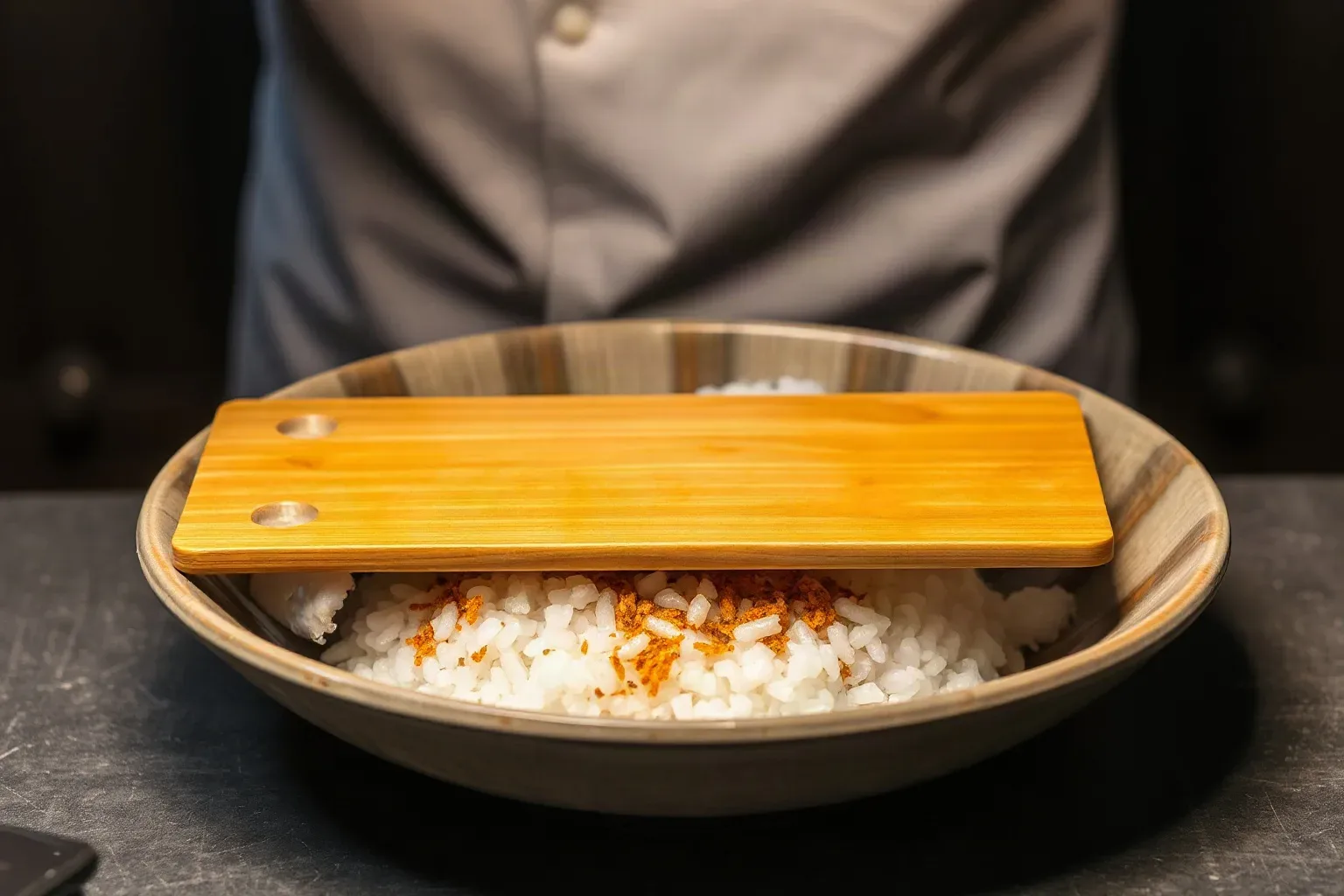
Most corporate sushi workshops in Edinburgh run for 2–3 hours. A professionally trained or Japanese-cuisine-experienced chef leads the session, covering rice preparation, knife handling, and at least two or three roll styles. Groups usually progress from straightforward hosomaki to more ambitious uramaki or hand rolls as confidence builds.
Group Sizes and Formats
Private group bookings, the format most Edinburgh corporate clients use, typically require a minimum number of participants. Expect to pay £55–£90 per person for a private session. That range reflects variables such as venue hire, ingredient quality, and whether drinks or a grazing spread are included alongside the sushi you make.
Smaller teams of six to twelve people suit an intimate kitchen setting. Larger departments of twenty or more often split into stations, which creates a natural friendly competition: which table rolled the tightest maki, whose presentation would survive a real menu?
What Participants Actually Make
A well-structured corporate session covers at least three core techniques. Rolling nori-wrapped maki is usually first. Inside-out uramaki rolls, where the rice faces outward, come next and require more precision. Many instructors then add either nigiri, pressed by hand over a thumb-sized block of rice, or temaki hand rolls, which are quicker to assemble and popular for relaxed group settings.
Sashimi-grade fish sourced fresh daily or several times per week is used at quality venues, so the ingredients match the skill level being taught. Vegan roll options are also common, making the activity inclusive for plant-based team members.
Choosing the Right Venue in Edinburgh
Edinburgh has 30–50 venues with dedicated sushi menus, but the subset offering structured private corporate workshops is smaller. When comparing providers, ask three specific questions: how many participants can one chef manage without the session feeling rushed, does the venue supply all equipment and aprons, and is there a private dining or event space rather than a sectioned-off corner of a public restaurant?
Central locations in the Old Town or around the New Town work well for teams arriving by public transport or on foot from offices in the EH1–EH3 postcode corridor. Some operators travel to your own office or event space and set up a pop-up class, which suits larger organisations with suitable kitchen or catering facilities on-site.
Booking Lead Times
Popular Friday afternoon and post-conference slots fill quickly, particularly from September through December when corporate event budgets are being spent before year-end. Booking four to six weeks ahead is a practical minimum for a group of twelve or more. For team builds tied to a specific conference date, eight weeks gives enough buffer for dietary requirements to be collected and ingredient orders placed.
Making the Business Case Internally
Event budgets face scrutiny, so it helps to frame the cost clearly. A private sushi-making session at £55–£90 per person sits comfortably alongside other experiential team builds such as cookery classes, cocktail making, or escape rooms. Unlike passive entertainment, it produces a shared skill and a shared meal, two outcomes that tend to generate stronger recall and post-event conversation among colleagues.
The inclusive nature of the format also matters to HR and DEI leads. Sushi preparation involves no physical risk, no alcohol dependency, and no competitive elimination. Dietary variations including vegan, vegetarian, and many common allergen-free rolls can usually be accommodated with advance notice.
What to Include in a Budget Proposal
A clean internal proposal should cover the per-head rate, venue hire if separate, any transport costs for an instructor coming to your site, and a modest contingency for last-minute additions to the guest list. Factor in whether you want the session to flow into dinner at the same venue. Many Edinburgh sushi restaurants offer a sit-down meal after the class at £20–£40 per person for a mid-range dining experience, which extends the social time without requiring a second venue booking.
Dietary Inclusivity and Customisation
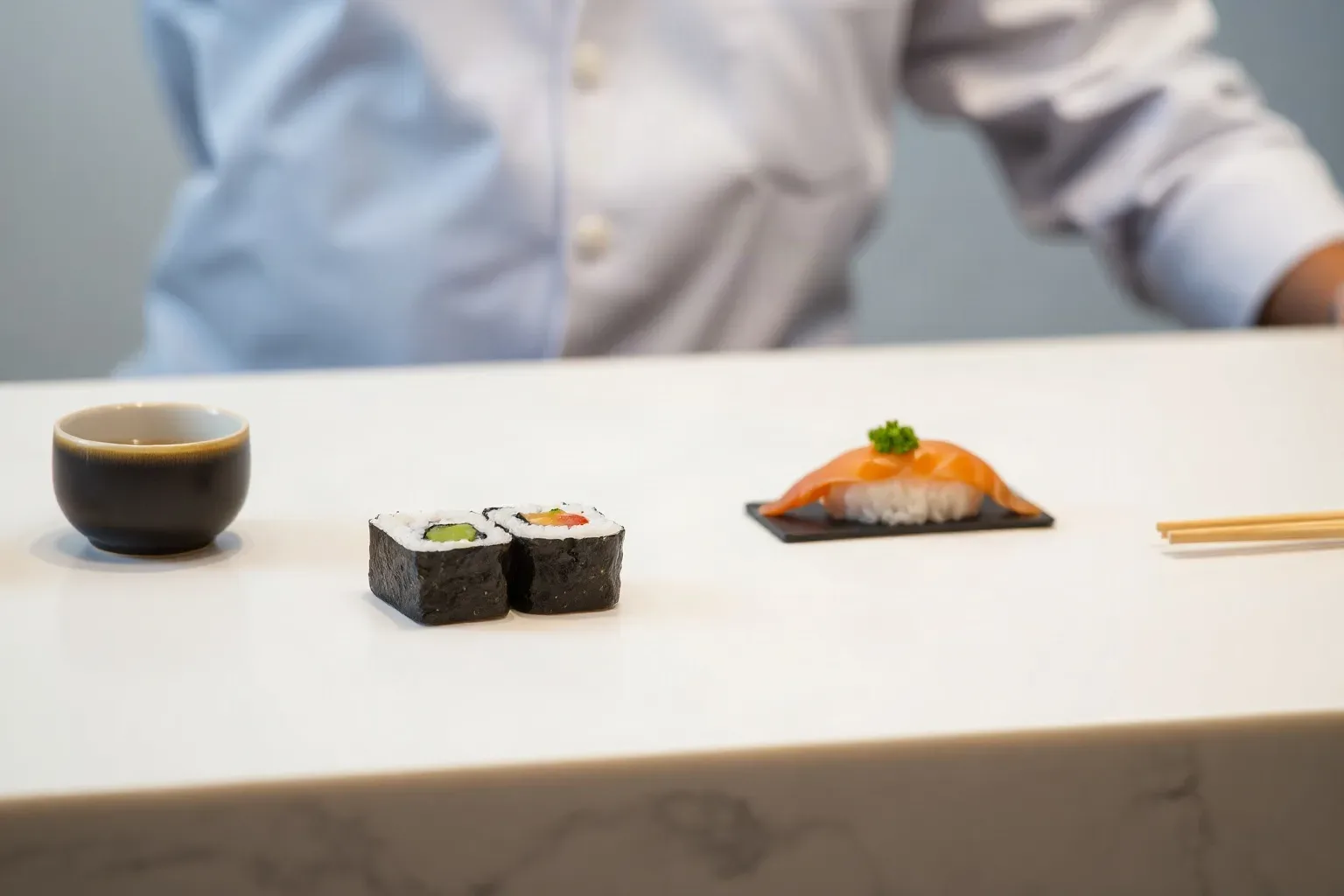
A corporate group of twenty people will almost certainly include someone who is vegan, someone with a shellfish allergy, and someone who simply dislikes raw fish. Most Edinburgh sushi class providers can build a menu around these constraints without reducing the quality of the session. Cucumber, avocado, pickled vegetables, and tofu give vegan participants the same technical challenges as fish-based rolls.
Confirm allergen protocols before booking. A reputable instructor will ask for a dietary breakdown in advance and separate preparation surfaces and ingredients accordingly. This detail is worth raising during the initial enquiry rather than leaving it to the day.
Getting the Most from the Experience
The session runs better when colleagues arrive with realistic expectations: nobody produces restaurant-quality sushi on their first attempt, and that is the point. Encourage the team to photograph each other's imperfect rolls. Group messaging threads that start during a sushi class tend to carry warmth into the following week in the office.
If the group has a mix of confidence levels, ask the instructor to pair quieter participants with a more gregarious colleague at the rolling station. That pairing dynamic is something an experienced chef-instructor will often manage naturally, but flagging it during the briefing ensures nobody spends ninety minutes watching rather than doing.
For teams that want a longer programme, some Edinburgh providers offer a tasting component before the practical session, walking participants through the differences between nigiri, sashimi, and maki before they pick up a rolling mat. This works particularly well for groups with little prior sushi experience, grounding the practical work in context.
Frequently Asked Questions
What Are the Best Team Building Events in Edinburgh?
Edinburgh offers a wide range of team building formats, from escape rooms and whisky tastings to cookery and craft workshops. Sushi-making sessions stand out because they are hands-on, inclusive, and end with a shared meal, making them effective for cross-departmental groups or newly formed teams.
How Much Does a Corporate Sushi Making Class Cost in Edinburgh?
Private group sushi workshops in Edinburgh typically cost £55–£90 per person. The rate depends on group size, venue hire, ingredient quality, and whether drinks or additional food are included. Some providers charge separately for venue hire, so request an itemised quote.
How Many People Can Take Part in a Corporate Sushi Session?
Most Edinburgh providers can accommodate groups from around six people up to twenty or more. Larger groups are split across multiple rolling stations, which adds a competitive element and keeps everyone active. Confirm minimum and maximum numbers when booking, as these vary by venue and instructor capacity.
Can the Class Cater for Vegan or Allergy Dietary Requirements?
Yes. Most Edinburgh sushi class providers can build vegan rolls using ingredients such as cucumber, avocado, and tofu alongside fish-based options. Give your instructor a full dietary breakdown at least a week before the session so they can prepare separate ingredients and surfaces where needed.
How Far in Advance Should a Corporate Sushi Team Build Be Booked?
Booking four to six weeks ahead is a practical minimum for a group of twelve or more. If your session is tied to a conference or end-of-year event, allow eight weeks so dietary requirements can be collected and the instructor can plan the menu in full.